Why OEM Certified Collision Repair Matters
OEM certified collision repair helps support manufacturer procedures, structural accuracy, ADAS safety systems, and documentation after a collision.
Modern vehicles rely on manufacturer repair procedures, structural accuracy, safety systems, and documentation after a collision. For drivers in Mentor, Lake County, and Northeast Ohio, choosing an OEM certified collision repair center can help ensure the repair is guided by the standards created by the vehicle manufacturer.
Today’s cars, trucks, and SUVs include advanced materials, engineered crumple zones, cameras, radar sensors, driver assistance technology, and repair requirements that vary by manufacturer. Because of that, collision repair is no longer just about replacing damaged parts and refinishing the exterior. A complete repair must also consider what is happening behind the panels, within the structure, and throughout the vehicle’s safety systems.
OEM certification helps confirm that a collision repair facility has invested in the training, equipment, repair information, and documentation practices needed to support modern vehicle repairs.
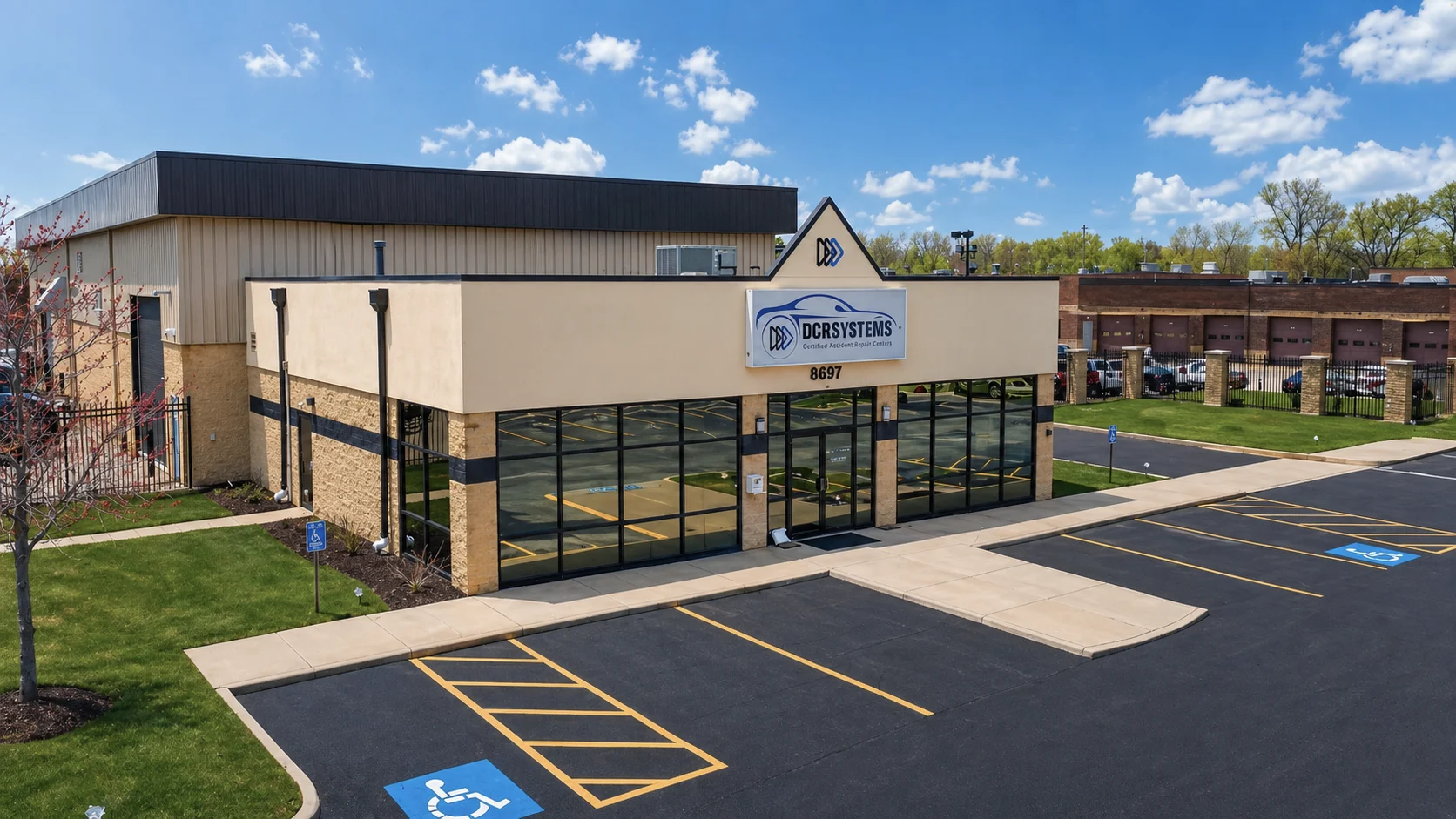
DCR Systems Mentor supports multiple manufacturer certification programs. You can view the full list of supported brands on our Certifications page.
Modern Vehicles Require Manufacturer Repair Procedures
Vehicle manufacturers develop repair procedures based on the way each vehicle is designed, engineered, and assembled. These procedures help guide repair decisions involving structural materials, attachment methods, corrosion protection, part replacement, diagnostic scanning, ADAS calibration, and final repair verification.
Modern vehicles often use a combination of aluminum, ultra-high-strength steel, advanced adhesives, welds, rivets, and specialized fasteners. These materials cannot always be repaired the same way from one vehicle to another. A repair method that is acceptable on one model may not be approved on another.
OEM repair procedures may specify:
Following manufacturer procedures helps support the vehicle’s intended structure, fit, finish, and safety system performance after a collision.
A vehicle can look complete on the outside while still requiring diagnostic scans, calibration, structural measurements, corrosion protection, or repair records beneath the surface.
Structural Repair Is More Than Straightening Metal
The structure of a vehicle is designed to help manage collision energy and protect occupants. Modern vehicle structures may include reinforcement areas, crumple zones, and material combinations that must be repaired according to manufacturer guidelines.
Even small changes in structural alignment can affect panel fit, suspension geometry, sensor positioning, door operation, and the vehicle systems that depend on proper alignment. That is why structural repair requires more than visual judgment.
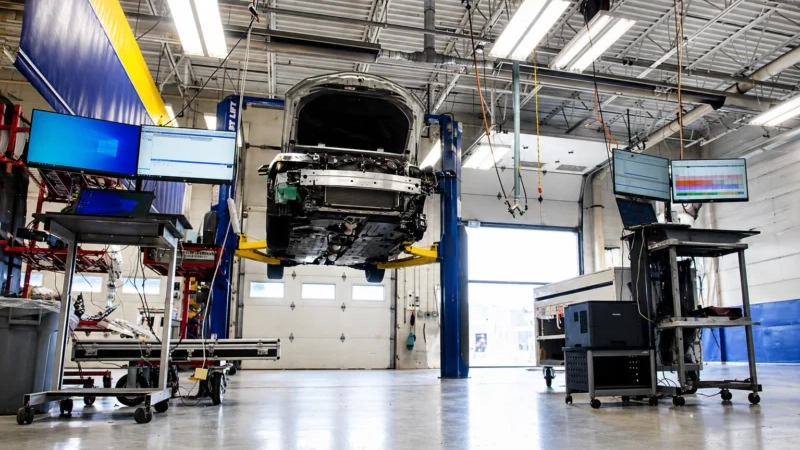
OEM certified collision repair facilities may use electronic measuring systems, manufacturer repair procedures, specialized welding equipment, bonding materials, and documented repair steps to help confirm the structure is restored within required tolerances.
For collision repairs involving structural damage, manufacturer procedures help guide decisions such as:
This process helps support the repair beyond appearance alone.
ADAS and Safety Systems Must Be Considered
Advanced Driver Assistance Systems, often called ADAS, are now common on many vehicles. These systems may include forward collision warning, lane departure warning, blind spot monitoring, adaptive cruise control, parking assistance, automatic emergency braking, and other driver assistance features.
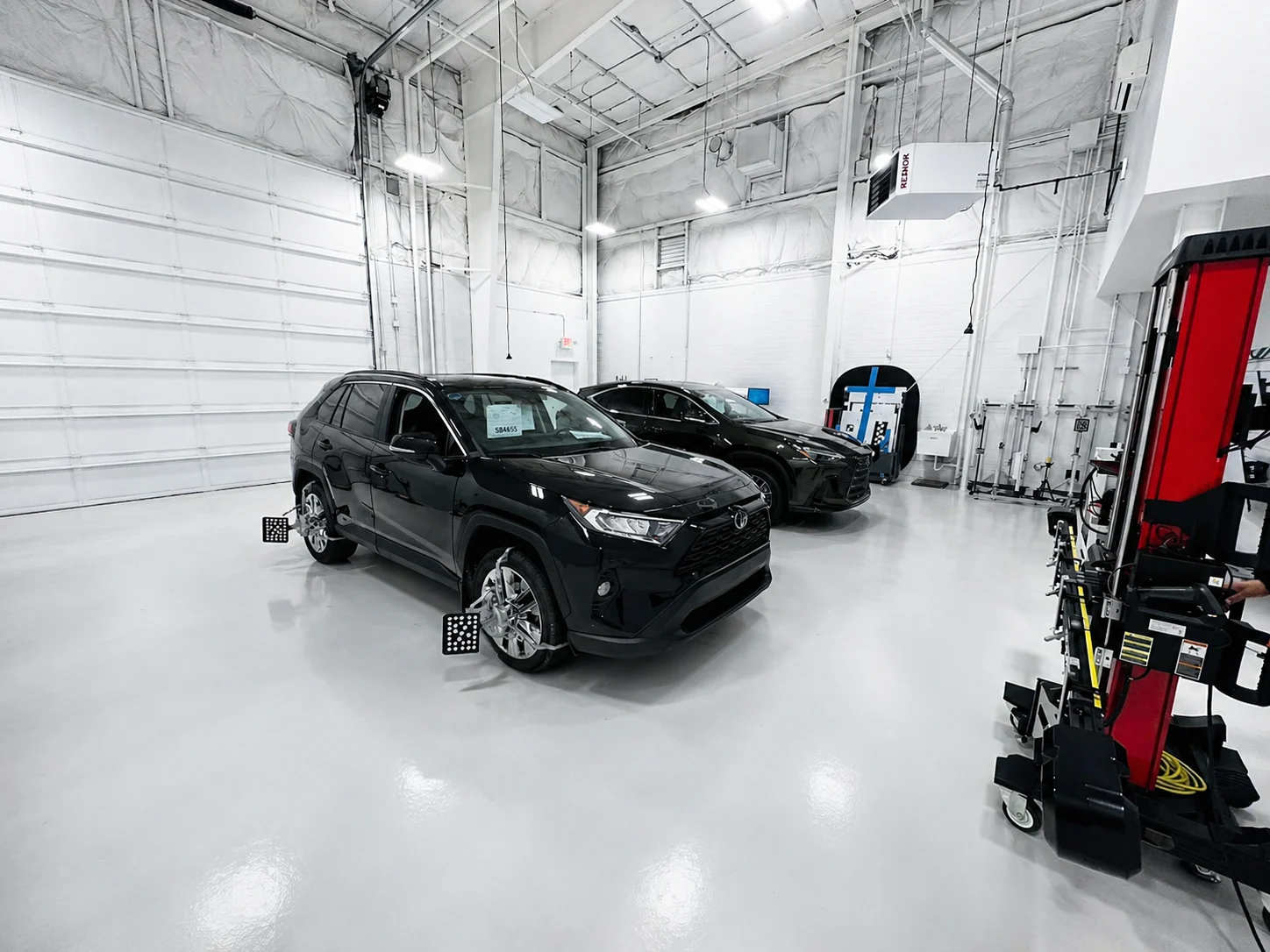
ADAS systems depend on cameras, radar units, sensors, brackets, mounting points, body panels, bumpers, grilles, mirrors, windshields, and proper vehicle alignment. After a collision, these systems may be affected even when the visible damage appears minor.
That is why ADAS calibration and diagnostic scanning are important parts of many modern collision repairs.
Depending on the vehicle and the repair procedure, the repair process may require:
ADAS requirements vary by manufacturer, model, and repair type. OEM certified collision repair helps ensure these requirements are reviewed as part of the repair plan instead of being overlooked.
Parts Decisions Matter During Collision Repair
Manufacturer procedures may also help guide parts decisions during the repair process. Depending on the vehicle, the damage, and the manufacturer’s requirements, certain components may need to be replaced rather than repaired.
Parts decisions can affect fit, attachment methods, corrosion protection, sensor operation, and repair documentation. Proper parts records help show which components were used during the collision repair process.
This is especially important on vehicles with advanced materials, safety systems, or manufacturer-specific replacement requirements.
Insurance Estimates May Not Tell the Full Repair Story
An initial insurance estimate may not include every manufacturer-required operation at the beginning of the repair. Some damage and required repair steps are only identified after disassembly, diagnostic scanning, repair procedure review, or structural measurement.
As the repair plan develops, additional documentation may be needed to support required procedures, parts decisions, calibrations, or repair operations. This documentation helps connect the estimate, repair plan, and completed repair.
The goal is not just to repair what is visible. The goal is to identify what the vehicle requires according to the appropriate repair information.
Documentation Helps Support a Complete Repair
Repair documentation is an important part of the collision repair process. It helps show what was inspected, what procedures were followed, which parts were used, and which repair steps were completed.
This matters because many required repair operations are hidden once the vehicle is reassembled. A clean paint finish and aligned panels are important, but they do not tell the full story of the repair.
Common repair documentation may include:
Together, these records help create a clearer picture of the work performed during the collision repair process.
Why Certification Changes the Repair Process
OEM certification supports a more procedure-driven repair process. Instead of relying only on general repair experience, a certified repair approach is built around manufacturer requirements, repair information, training, equipment, and documentation.
This does not mean every repair is the same. In fact, the opposite is true. OEM certified collision repair recognizes that each vehicle has its own repair requirements based on the manufacturer’s design.
OEM Certification Supports Training and Equipment Standards
Manufacturer certification programs are designed to help collision repair facilities meet specific standards. While each OEM program is different, certification may include requirements for technician training, approved tools, repair information access, facility standards, equipment, documentation, and ongoing program participation.
This matters because vehicle technology continues to change. New materials, safety systems, sensors, electric vehicle platforms, and repair procedures require repair facilities to stay current.
Each manufacturer certification program has its own requirements, which is why brand-specific repair information matters during the collision repair process. A certified repair facility needs to understand the repair requirements for the specific vehicle being repaired, not just the general type of damage.
Why This Matters for Vehicle Owners
After a collision, most vehicle owners want to know whether the vehicle will look right, drive correctly, and support the safety systems it was built with. OEM certified collision repair helps connect those concerns to a repair process based on manufacturer procedures, documented repair steps, structural accuracy, and safety system checks.
A quality collision repair is more than exterior appearance. Panel alignment and refinishing matter, but modern repairs may also require structural verification, diagnostic scanning, ADAS calibration, corrosion protection, repair documentation, and quality control checks.
Choosing an OEM certified collision repair center helps ensure the repair is approached with the right information from the beginning.
OEM Certified Collision Repair in Mentor, Ohio
DCR Systems Mentor provides OEM certified collision repair in Mentor, Ohio, serving drivers throughout Lake County and Northeast Ohio. Our repair process is built around manufacturer repair procedures, structural repair standards, refinishing quality, ADAS and safety system awareness, and repair documentation.
If your vehicle has been involved in a collision, choosing a manufacturer-certified collision repair center can help ensure the repair is approached with the right procedures, equipment, and documentation from the beginning.
View our Certifications page to see the manufacturer programs supported by DCR Systems Mentor, or contact our team if your vehicle has been involved in a collision and you need help understanding the repair process.